

Discover how ShowAssist is revolutionizing the equestrian gig economy by connecting barn owners with essential equine professionals. Listen to the podcast for insights on labor and technology in the industry.

How to Build a Career in the Equestrian Industry
Learn how to navigate the equestrian industry job market with insights from Equistaff recruiters. Discover challenges, opportunities, and the need for better employee retention in this in-depth interview.

What You’re Feeding Your Horse Is Toxic
Discover how nutrition impacts your horse’s health with Mary Hartman and Olivia Sobczak on The Pegasus Podcast. Learn about feeding practices and the competitive market in the equine industry.

This Region’s Residents Can Thank Horses for Their Riches
Explore the economic impact of the Winter Equestrian Festival in Palm Beach County and the innovative digital outfit builder by LeMieux. Discover how equestrian tech is evolving and transforming the industry.
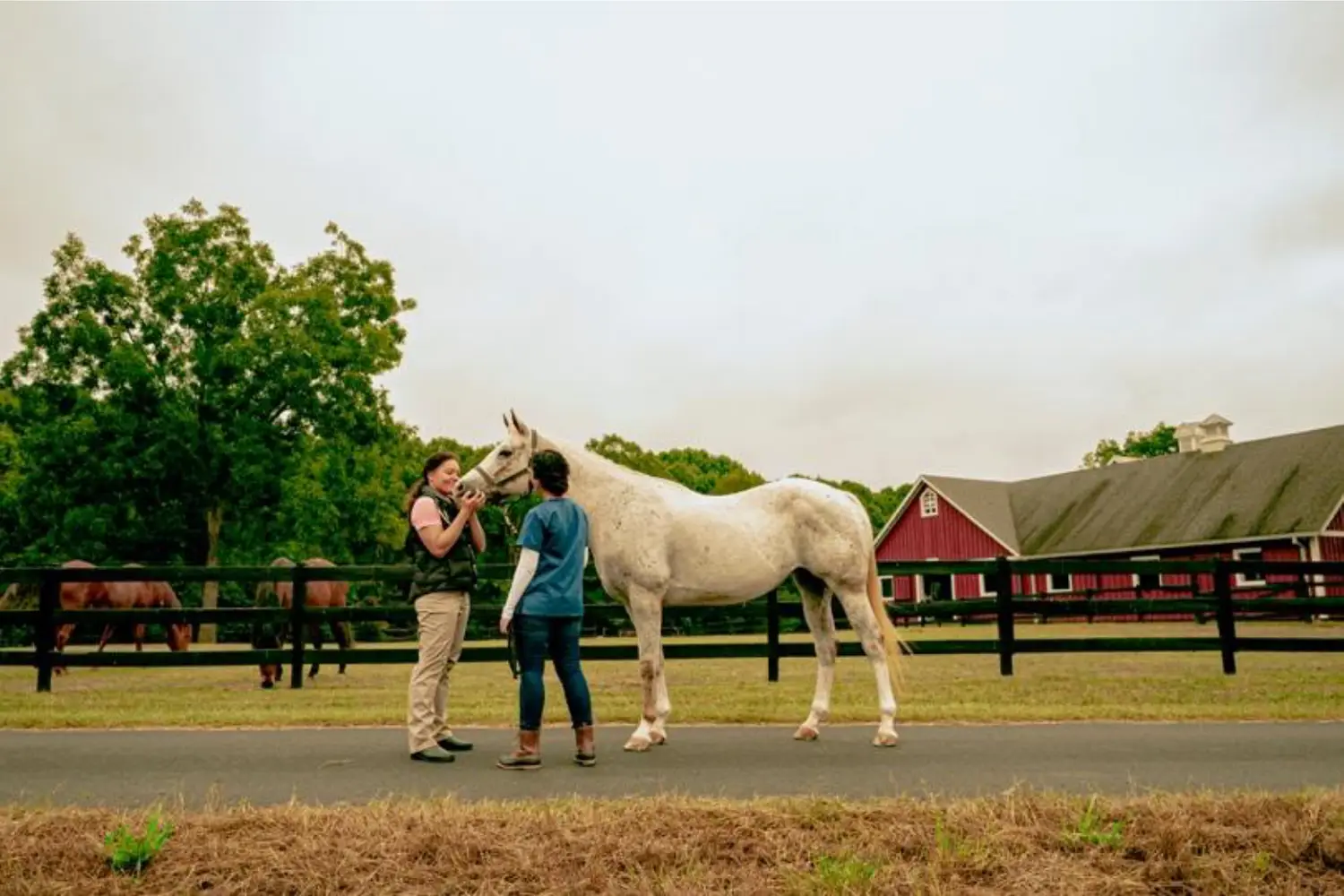
Four Potential Horse Emergencies and How to Respond to Them
Dr. Jeff Hall, DVM, Senior Equine Technical Services You love your horse more than anything and want to do what’s right to help them live a healthy, happy life. But horses are accident-prone, and not even bubble wrap can prevent all emergencies. Recognizing common medical situations and knowing how to respond to them can help you fast-track your horse’s road to recovery. Here are four common scenarios you may encounter and advice on what actions to take until your veterinarian arrives. 1. Colic Colic is every horse owner’s worst nightmare because this severe belly ache can require immediate veterinary care or surgery. Colic can be caused by many things including gas, an impaction (blockage) or a displaced piece of intestine. What to look for: Signs of discomfort in horses, including pawing, repeatedly lying down and getting back up, biting at their sides, hanging their head low, lack of manure production, loss of appetite, increased respiratory rate or sweating on the neck or flanks. How to respond: You know your horse’s every move and can detect even the most subtle change in their behavior. When your intuition tells you something is wrong, call your veterinarian right away to explain what you’re seeing. They will offer guidance on next steps, which may include: Removing hay, feed and sometimes water. Restrict or do not allow grazing until your veterinarian arrives to limit the buildup of feed and fluid in the stomach. Keeping the horse in a calm environment near a buddy if possible. Keeping the horse up and calmly walking if it’s safe to do so. Watching out for your own safety! Be sure to choose a space with plenty of room so you stay safe too. Also, note that pregnant mares may be more at-risk for colic the closer they get to foaling and after the foal is born, so be extra-observant of new mamas in your herd and communicate with your veterinarian proactively. 2. Wounds or lacerations Horses are curious, and they seem to quickly find any and all sharp objects in a stall or pasture. Also, their legs have very little soft tissue covering for protection, so lower limb wounds can potentially infect a joint or tendon sheath, which could be life-threatening. Most often, a wound or laceration emergency is due to a protruding object piercing a horse’s sensitive skin or a horse stepping on a sharp object such as a nail. The edges of a water bucket handle and double-sided clips can also tear eyelids and nostrils. Horses turned out in a herd can also be injured while kicking and playing. Pro-Tip: Walk around your horse’s stall, paddock and the pasture areas regularly to look for potential hazards that may cause injuries. What to look for: An injury with associated swelling and pain when touched as well as severe or non-weight-bearing lameness in one of the legs. In some cases, a scrape, patch of missing hair or puncture wound may be the only sign of an injury. In other cases, active bleeding or dried blood may be readily apparent. Assess the location and severity of the wound. Sometimes a small puncture wound with minimal bleeding at a joint or a nail sticking out of the bottom of a hoof can be more severe with a worse prognosis than a large flap of bleeding skin hanging off the chest region. Superficial head wounds can bleed a lot, but they heal relatively quickly because there’s a good blood supply to the area. Contact your veterinarian anytime a wound is bigger than a minor cut or scrape, a wound is located near a joint or there’s swelling or lameness. What may seem like a minor surface or puncture wound could be more serious. Allowing a small injury to heal on its own may lead to an issue that requires prolonged downtime and additional treatment. How to respond: If your horse is actively bleeding, apply a pressure wrap to stop the flow of blood with a polo or standing wrap. If your horse isn’t bleeding, cold-hose the area to remove any visible dirt, gravel or shavings from the wound site. Use an antiseptic solution to clean the wound which will help reduce bacterial infections. It is recommended to wear clean, disposable gloves during wound care. Avoid applying antibiotic sprays or ointments without prior veterinary approval. Always ask for advice before administering medication. Giving the wrong type, dosage or duration might create secondary side effects. Finally, if a foreign object (e.g., a nail or piece of wood) is present, keep the horse still and calm and don’t remove it until your veterinarian arrives. 3. Fever A horse’s normal temperature varies, but an acceptable range is generally between 99.0-101.5 degrees Fahrenheit. Exercise, especially in excessive heat and humidity, is likely to raise any horse’s temperature, but healthy horses quickly return to normal levels after a period of rest. A prolonged increase in temperature or a reading that’s more than a few degrees above average can suggest an issue. What to look for: A fever may indicate a localized or systemic infection. When a horse has a fever, they can have an increased respiratory and/or heart rate, go off-feed and water, and have patchy areas of sweat over their neck or flanks. Typically, they’ll also act dull and depressed and may exhibit droopy eyelids or helicopter ears. How to respond: How your horse feels influences the next steps. For example, if your horse’s temperature is only one or two degrees higher and they’re eating and drinking normally, your veterinarian may not opt for a treatment. Instead, they may recommend taking your horse’s temperature for a few days. If a fever persists or your horse’s temperature continues to increase, it’s a warning sign. Your veterinarian will likely want to evaluate your horse to determine the underlying cause in order to decide on a treatment plan. Getting into the habit of checking your horse’s temperature once or twice a month helps establish a baseline so that you
Will Soring in Horse Sports Finally Be Eliminated?
Discover the latest updates on soring elimination in horse sports, British boarding barn owners’ push for more regulation, and insights on the future of equestrian facilities. Explore these topics and more in this informative blog post.
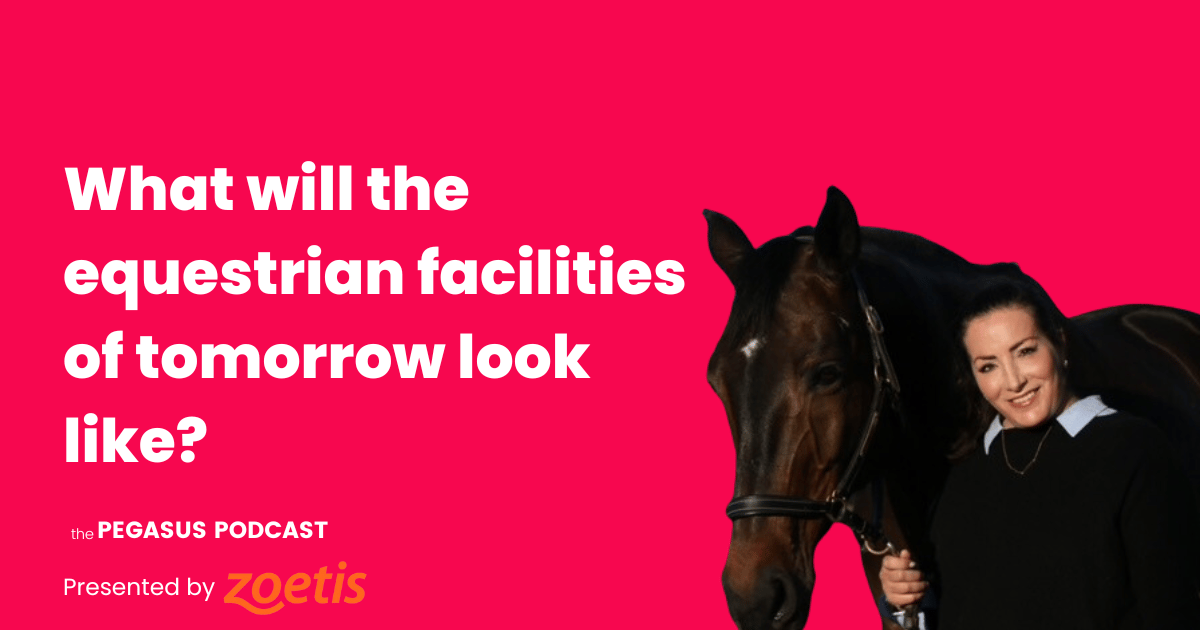
She Is Designing the Next Generation of Equestrian Facilities
Discover how Andrea Knowles is revolutionizing equestrian facilities with innovative designs and AI technology. Explore insights on long-term planning, community spaces, sustainability, and more on The Pegasus Podcast.

How Does the West Nile Virus Affect the Equestrian Space?
Explore the impact of West Nile Virus on the equestrian industry and the challenges facing riding schools in the UK. Learn about vaccination, economic costs, and efforts to support the equestrian community. Discover more on The Oxer by Pegasus.
Condolences to Those Affected by the War
Condolences to those affected by the recent events in Israel and Gaza. Our hearts are heavy as we stand with those impacted by the tragedy. If you wish to support humanitarian efforts, click the link provided.

How a Government Shutdown Would’ve Affected the Horse Biz
Discover the potential impact of a government shutdown on the horse industry, the benefits of urban equestrian centers, and more in this insightful blog post from The Oxer by Pegasus.
